§ Journal · May 28, 2026
Repair or Replace? Making Smart Calls on Wear Parts
Discuss how homeowners and pros can decide when a part has reached the end of its service life. Compare cost, labor, downtime, and safety when evaluating belts, blades, heads, and fastening supplies.
Wear parts are the components you expect to service regularly: mower blades, trimmer heads, belts, spark plugs, chains, filters, and the fastening supplies that keep everything secure. The hard part is knowing when a part is still worth maintaining and when replacement is the smarter move. For homeowners, replacing too early wastes money. For landscapers and frequent users, running a worn part too long usually costs more in downtime, poor performance, and avoidable damage. The best decision comes from weighing part condition, labor time, safety risk, and the cost of a breakdown during the season.
Start With Condition, Not Just Age
Service life depends more on workload and operating conditions than calendar time. A mower blade used on clean turf may last much longer than one striking roots, gravel, and dry ground every week. A drive belt on a residential mower may give years of service, while the same style belt on a commercial unit running daily can age out much faster.
When inspecting wear parts, look for specific indicators:
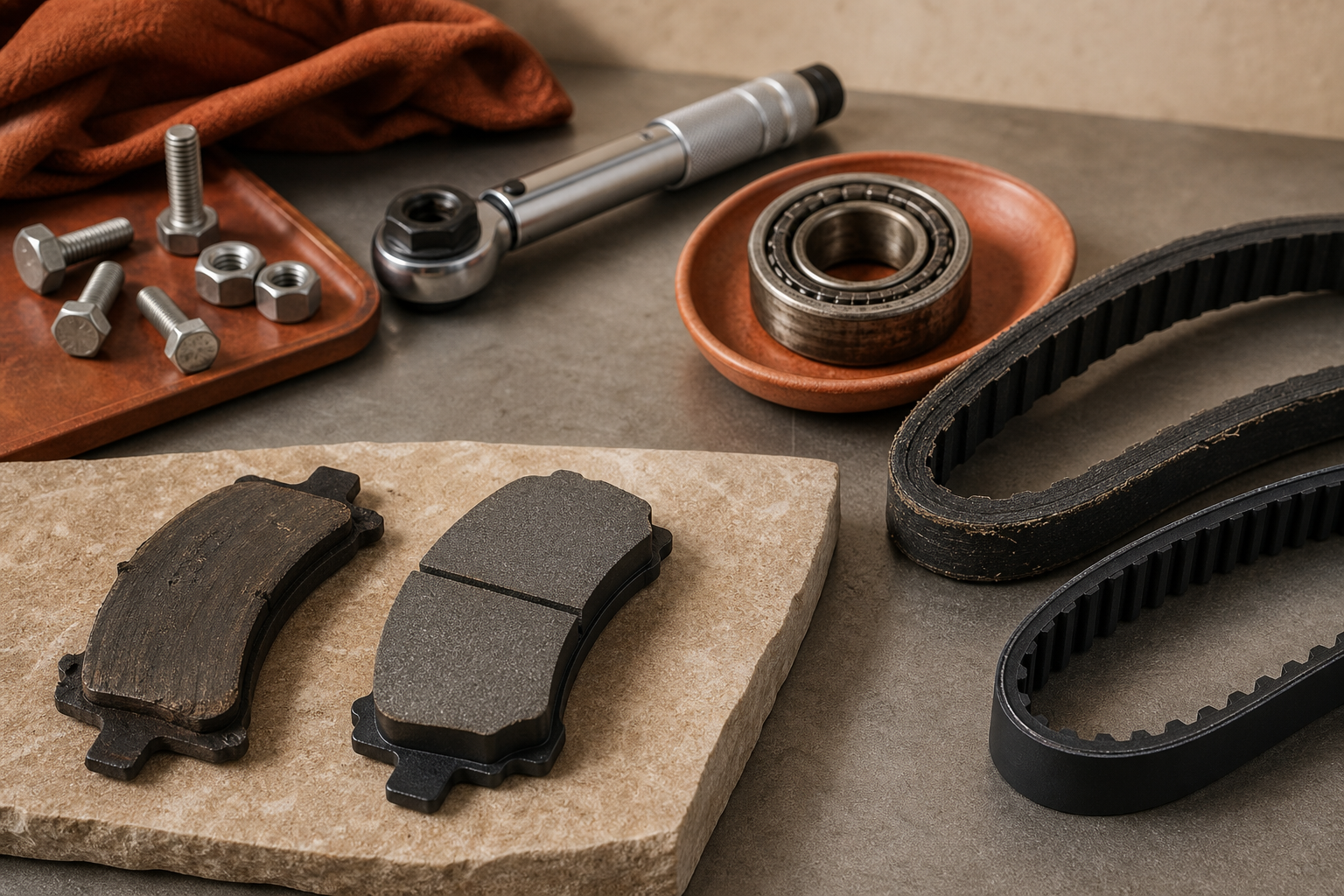
- Belts: cracking across ribs, glazing, frayed edges, stretching, missing chunks, or a burnt-rubber smell after operation
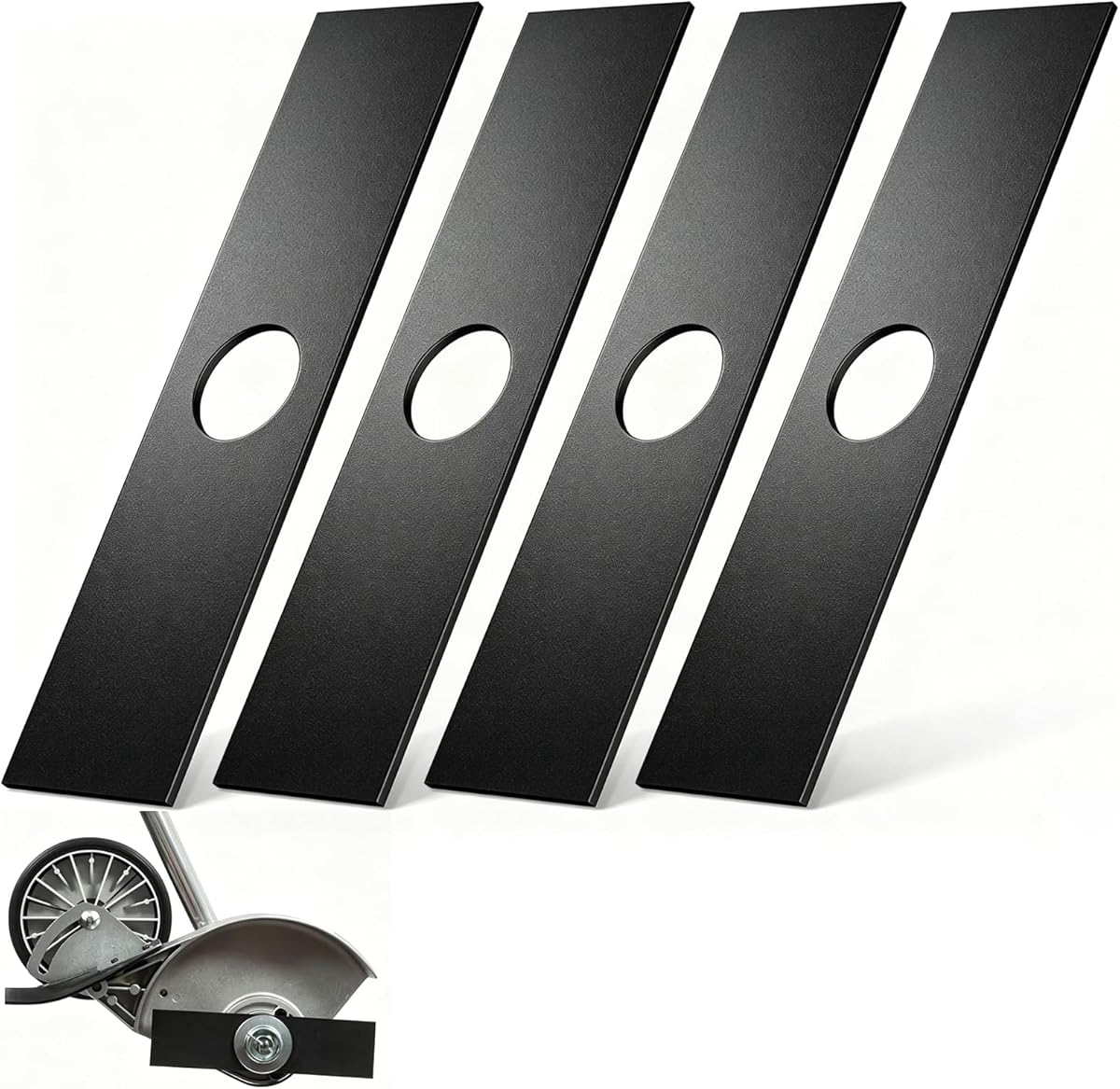
- Blades: rounded cutting edges, deep nicks, bends, thinning from repeated sharpening, or visible cracks near the center hole
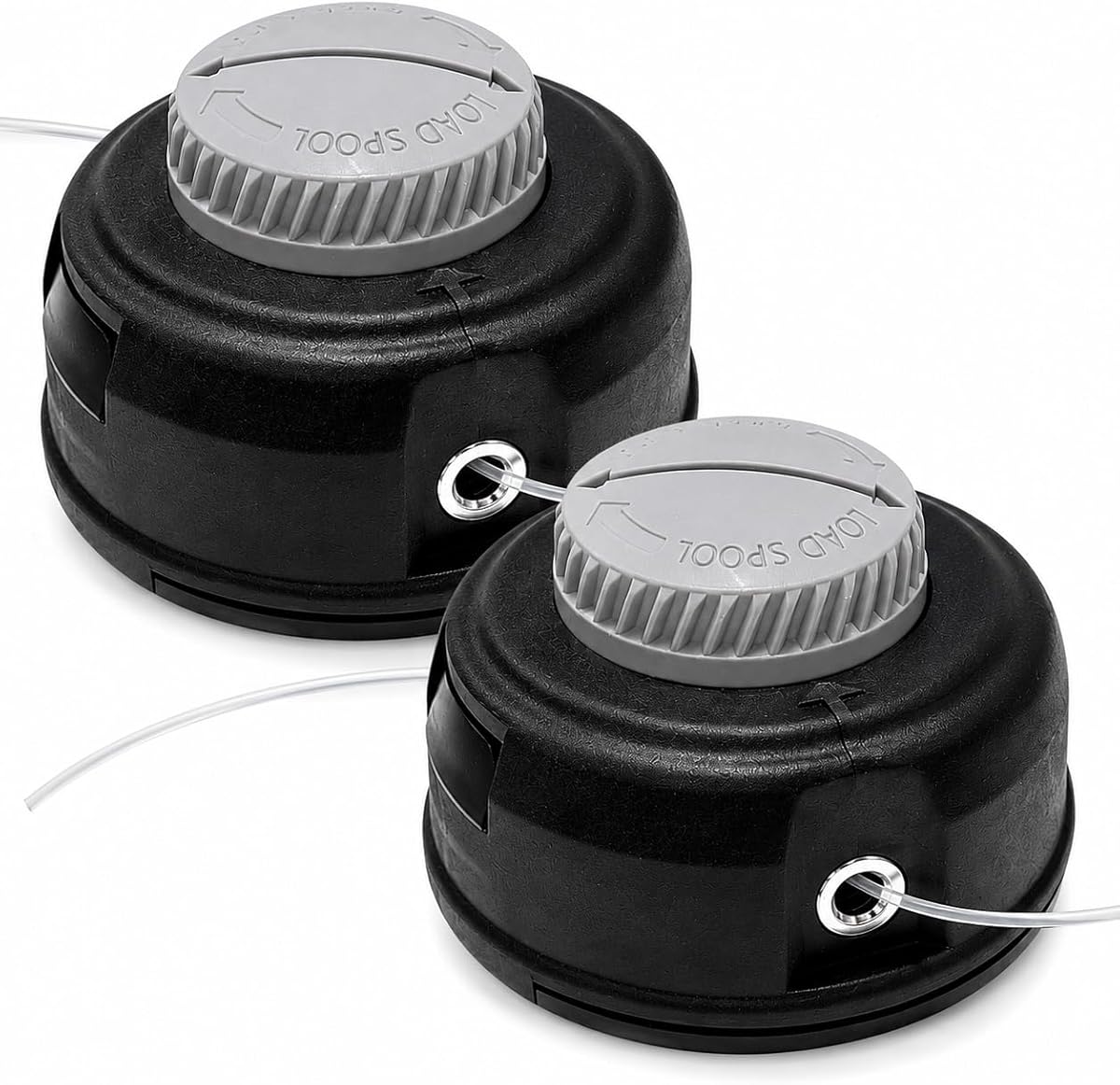
- Trimmer heads: wobble, cracked housings, worn eyelets, weak bump-feed action, or frequent line jams
- Fastening supplies: stripped threads, rust scale, stretched lock nuts, missing washers, or bolts that no longer hold torque
If a part can be restored to proper function safely and within spec, repair may make sense. Sharpening a mower blade with enough remaining material is normal maintenance. Replacing a blade that is bent, cracked, or thinned out is the correct call. The same rule applies across most wear items: restore if condition is sound, replace if structure or fit is compromised.
Compare Parts Cost Against Labor and Downtime
A low-cost part can become expensive if it takes hours to revisit after a failed repair. This is where homeowners and pros often make different decisions.
For a homeowner mowing one yard, spending extra on a new belt or complete spindle assembly may be worthwhile if it avoids tearing the deck apart twice. For a landscaper with a route to finish, downtime matters even more than the part price. A trimmer head that intermittently feeds line or a blade set that cuts unevenly can slow every stop on the schedule.
Use this simple decision test:
- Repair when the fix is quick, low risk, and restores full function
- Replace when labor is high, access is difficult, or failure could damage related components
- Upgrade when a heavier-duty or OEM-equivalent part improves service life in demanding use
Examples:
- A mower blade with light edge wear is usually worth sharpening and balancing.
- A deck belt showing glazing and edge fray should usually be replaced before it fails and leaves you stuck mid-job.
- A trimmer head that repeatedly binds after cleaning and reloading is often better replaced as a complete assembly.
- Fasteners removed from high-vibration areas, especially lock nuts and thread-locking hardware, should often be replaced rather than reused.
The key is to count your time honestly. If a part is cheap but buried deep in the machine, replacement on first access is often the better value.
Safety Should Break the Tie
When the choice is close, let safety decide. Wear parts operate at speed, under tension, or around heat and vibration. A questionable part can become a hazard fast.
Blades are the clearest example. A cracked or heavily thinned blade should never be “run a little longer.” Failure at operating speed can damage equipment and create a serious injury risk. Belts that are separating or shredding can disable safety systems, stop driven components unexpectedly, or wrap around pulleys and seals. Trimmer heads with damaged housings can shed parts during use. Even small fastening supplies matter: a missing shoulder bolt, fatigued lock nut, or incorrect washer stack can let guards, handles, or covers loosen in service.
A few practical safety rules:
- Replace any part with cracks, deformation, or heat damage
- Replace hardware if proper torque cannot be maintained
- Match size, grade, thread pitch, and style when replacing bolts, nuts, and washers
- Use the correct part for the machine model, not “close enough”
- If repeated wear keeps returning, inspect related bearings, pulleys, spindles, shafts, and mounts
Safety-related replacement is rarely where you save money. It is where you prevent bigger losses.
Build a Smarter Replacement Strategy
The best maintenance plan is proactive, not reactive. Keep a short list of common wear parts on hand for the equipment you use most: blades, belts, trimmer line, spark plugs, air filters, fuel filters, and common fastening supplies. For pros, one failed consumable can cost more in lost billable time than the shelf value of a few backup parts.
To make smarter calls:
- Inspect at every service interval and after impact events
- Track repeat failures by machine and operating hours
- Replace in matched sets when uneven wear affects performance, such as blade pairs or multiple deck belts where applicable
- Use OEM or quality OEM-equivalent parts for fit, material, and durability
- Replace related small hardware during major service so the repair stays secure
For homeowners, this means fewer mid-season surprises. For landscapers, it means better cut quality, steadier productivity, and less trailer-side repair work. A smart replacement decision is not about squeezing the last minute out of a worn part. It is about getting reliable performance at the lowest real operating cost.
FAQ
How do I know if a mower blade should be sharpened or replaced?
Sharpen it if the edge is dull but the blade is straight, thick enough, and free of cracks. Replace it if it is bent, deeply nicked, cracked, or has been sharpened down too far to hold strength and balance.
Should I replace a belt before it breaks?
Yes, in most cases. If you see cracking, glazing, fraying, stretching, or slipping, replacing early is usually cheaper than losing a work session or risking damage to pulleys and related components.
Can I reuse nuts and bolts during a repair?
Sometimes, but inspect them closely. Reuse is risky if threads are damaged, corrosion is present, or the hardware is from a high-vibration location. Lock nuts, thread-locking fasteners, and any hardware that no longer holds torque should be replaced.
§ Catalog
Shop the catalog