§ Journal · May 28, 2026
The Seasonal Parts Checklist for Yard Equipment
Outline a practical pre-season and mid-season checklist for trimmers, mowers, tillers, and edgers. Focus on the small consumables and wear items that make the biggest difference in uptime.
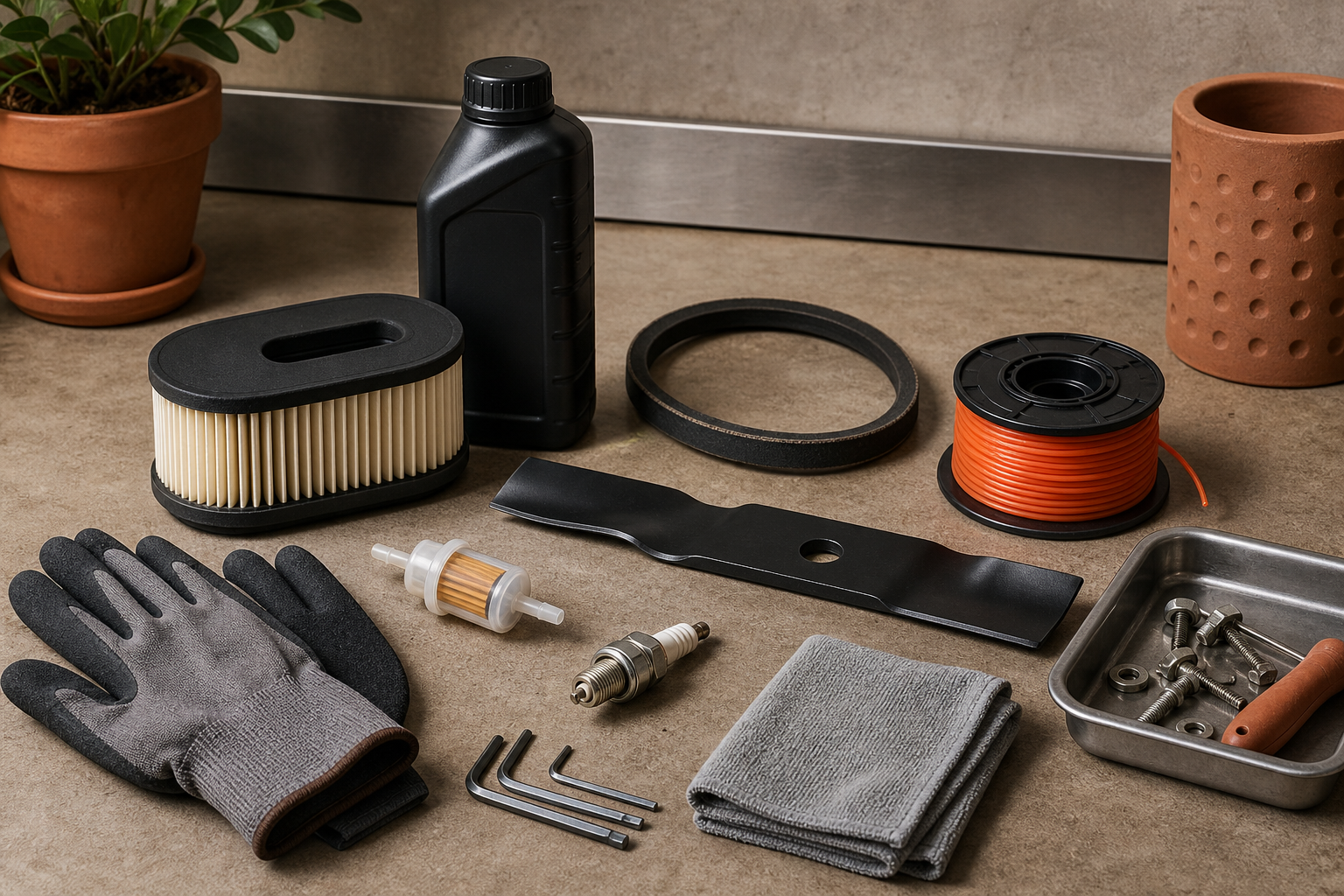
A smooth season usually comes down to small parts, not major repairs. Spark plugs, air filters, trimmer line, belts, blades, fuel filters, and primer bulbs are the items that quietly wear out until a machine gets hard to start, cuts poorly, or quits in the middle of a job. A practical seasonal checklist helps homeowners, DIY repairers, and landscapers catch those issues before they cost time. Here’s a straightforward pre-season and mid-season parts checklist for trimmers, mowers, tillers, and edgers, with a focus on the consumables and wear items that do the most to keep equipment working.
Pre-season checklist: replace the low-cost items first
Before the first heavy use of the year, start with the parts most affected by storage and age.
Fuel system items
- Fresh fuel should be first on the list. Old fuel causes hard starting, surging, and carburetor deposits.
- Replace the fuel filter on equipment that uses an in-tank filter, especially trimmers and some tillers.
- Inspect fuel lines for stiffness, cracking, swelling, or leaks.
- Check the primer bulb for brittleness or cracks. A cloudy or split bulb is a common spring failure.
Air and ignition
- Install a new spark plug if the old one shows carbon buildup, worn electrodes, or corrosion. Even if it still fires, a fresh plug helps cold starts and clean running.
- Replace or clean the air filter. Foam filters can dry out, tear, or load up with dust; paper filters should be replaced if dirty or oil-soaked.
Cutting and drive wear items
- On trimmers, reload with the correct trimmer line diameter and profile. Using the wrong size affects feed performance and engine load.
- On mowers and edgers, inspect the blade for dull edges, bends, cracks, and excessive wear. Sharpen if sound; replace if damaged or heavily worn.
- On self-propelled mowers, tillers, and some edgers, inspect the drive belt for glazing, frayed edges, stretching, or cracking.
- Check tines on tillers for rounded edges, bending, or uneven wear that reduces digging performance.
Routine service items
- Change the engine oil on 4-cycle equipment.
- Confirm the correct 2-cycle fuel mix ratio for trimmers and other 2-stroke tools.
- Inspect recoil starter rope and handle wear before they fail in the field.
A good rule: if a part is inexpensive, easy to access, and one season old or questionable, replace it before the work starts.
Equipment-specific checklist: what matters most by machine
Each type of machine has a few parts that deserve extra attention.
String trimmers
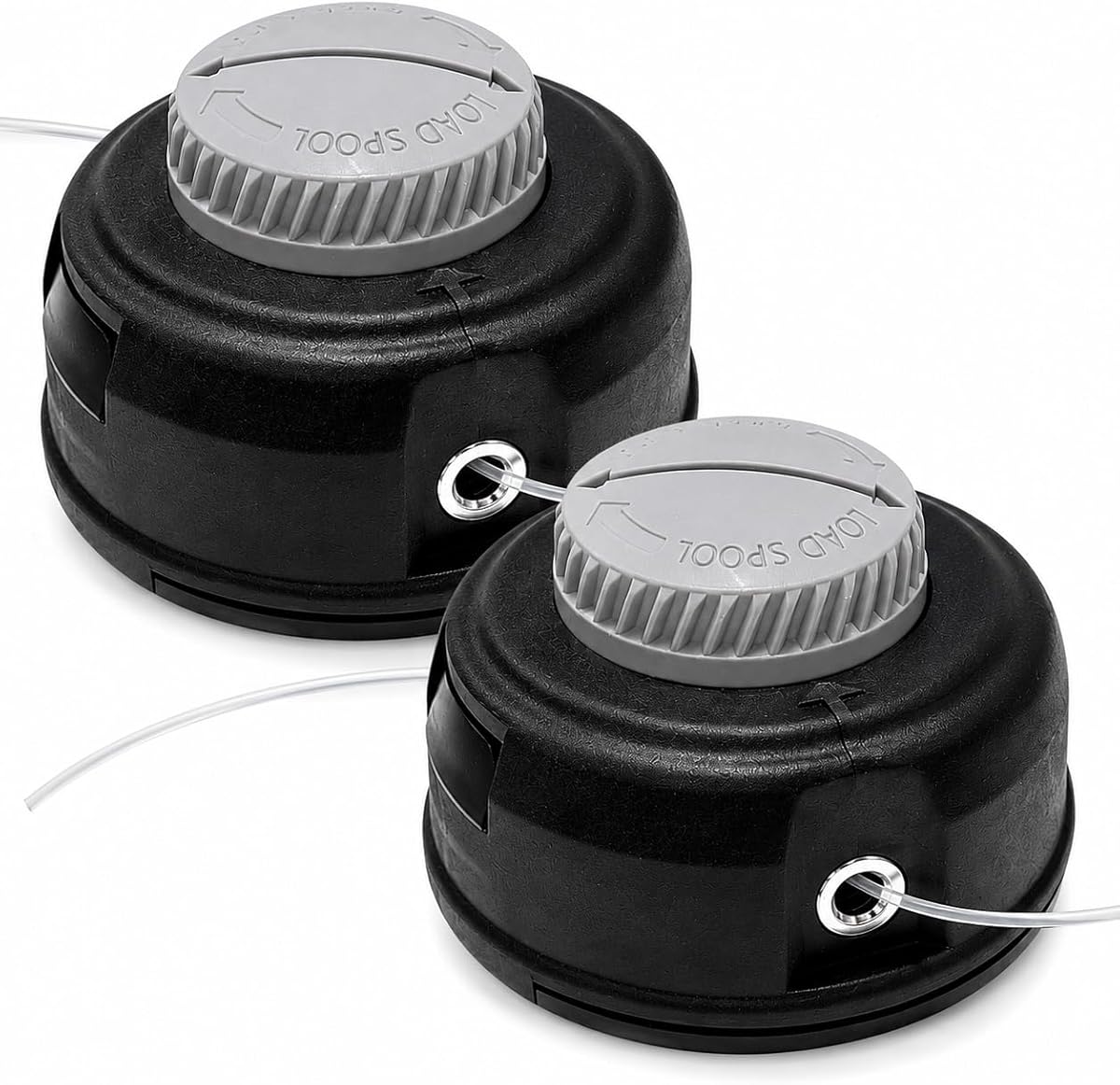
- Trimmer head/spool: Look for cracked housings, weak bump-feed action, and worn eyelets that cut line prematurely.
- Trimmer line: Keep extra line on hand in the correct diameter recommended by the manufacturer.
- Fuel filter, fuel lines, primer bulb: These are frequent wear points on 2-cycle units.
Lawn mowers
- Blade: A sharp blade cuts cleaner and reduces strain on the engine.
- Air filter and spark plug: These have a direct effect on starting and power.
- Deck belt or drive belt: On walk-behind and riding applications, belt condition strongly affects performance.
- Wheels and height adjusters: Worn wheel bushings or uneven adjusters can affect cut quality.
Tillers
- Tines: Worn tines make the machine work harder and produce poorer soil breakup.
- Drive belts: A slipping belt often shows up as weak tine rotation under load.
- Shear pins or tine hardware: Replace bent or damaged hardware before it causes larger failures.
Edgers
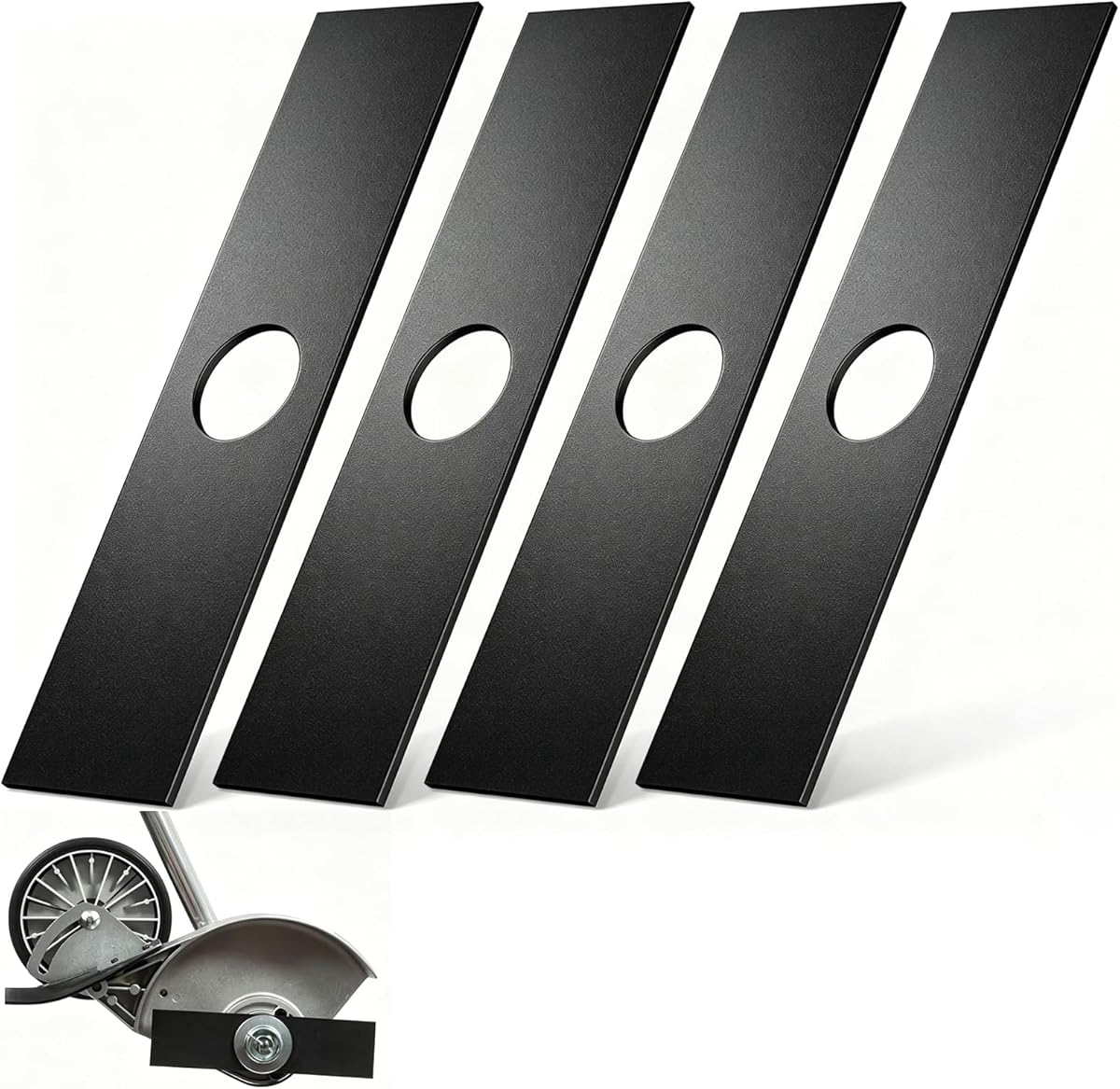
- Edger blade: A worn blade cuts slowly and leaves ragged edges.
- Blade hardware and guards: Confirm everything is secure and not excessively worn.
- Belt and air filter: These are often overlooked but critical on dedicated edgers.
Mid-season checklist: the parts that fail after hours, not months
Once the season is underway, heat, dust, vibration, and repetitive loading become the main causes of downtime. Mid-season is the time to inspect rather than wait for a breakdown.
Check every 25-50 hours of use, or sooner in dusty conditions:
- Air filter: Clean foam filters and replace paper filters if restricted.
- Spark plug: Inspect for fouling that points to mixture, oiling, or filtration issues.
- Fuel filter: Replace if fuel flow seems restricted or starting becomes inconsistent.
- Trimmer line and trimmer head components: Refill line and inspect spool wear.
- Blades: Sharpen mower and edger blades regularly; replace if chipped, thin, bent, or cracked.
- Belts: Look for heat glazing, sidewall wear, and tension loss.
- Tines: Check attachment bolts and tine wear on tillers.
- Cables and controls: Throttle, drive, and engagement cables can stretch or bind over the season.
Also inspect all fasteners, guards, and vibration mounts. A machine that vibrates more than usual is often warning you about a blade balance issue, a damaged trimmer head, loose hardware, or a failing belt.
Stock the right spares to reduce downtime
The fastest repair is the one you can do immediately. For homeowners, that might mean one or two basic backups. For landscapers, it means keeping common wear items on the truck or shelf.
A smart seasonal parts kit usually includes:
- Spark plugs
- Air filters
- Fuel filters
- Primer bulbs
- Fuel line
- Trimmer line
- Trimmer spool or head parts
- Mower or edger blades
- Drive belts
- Shear pins and common hardware
- Engine oil and the correct 2-cycle oil
When ordering, match parts by brand, model number, spec number, and engine family whenever possible. Belt length, blade center hole pattern, spark plug heat range, and trimmer line size all matter. “Looks close” is one of the most common reasons replacement parts fail early or fit poorly.
FAQ
How often should I replace a spark plug in yard equipment?
For many residential users, once per season is a good preventive interval. High-hour commercial use may require more frequent inspection and replacement, especially on 2-cycle machines.
Should I sharpen or replace mower and edger blades?
Sharpen if the blade is structurally sound and still within usable wear limits. Replace any blade that is bent, cracked, heavily pitted, or worn thin.
What spare parts should I always keep on hand for a trimmer?
At minimum: correct trimmer line, a spark plug, air filter, fuel filter, primer bulb, and fuel line. Those are the most common small parts behind starting and feeding problems.
§ Catalog
Shop the catalog