§ Journal · May 28, 2026
Why Fitment Data Matters in Aftermarket Parts
Explore how model numbers, serial ranges, and attachment systems affect replacement part accuracy. Reinforce the value of careful compatibility listing for reducing downtime and return frustration.
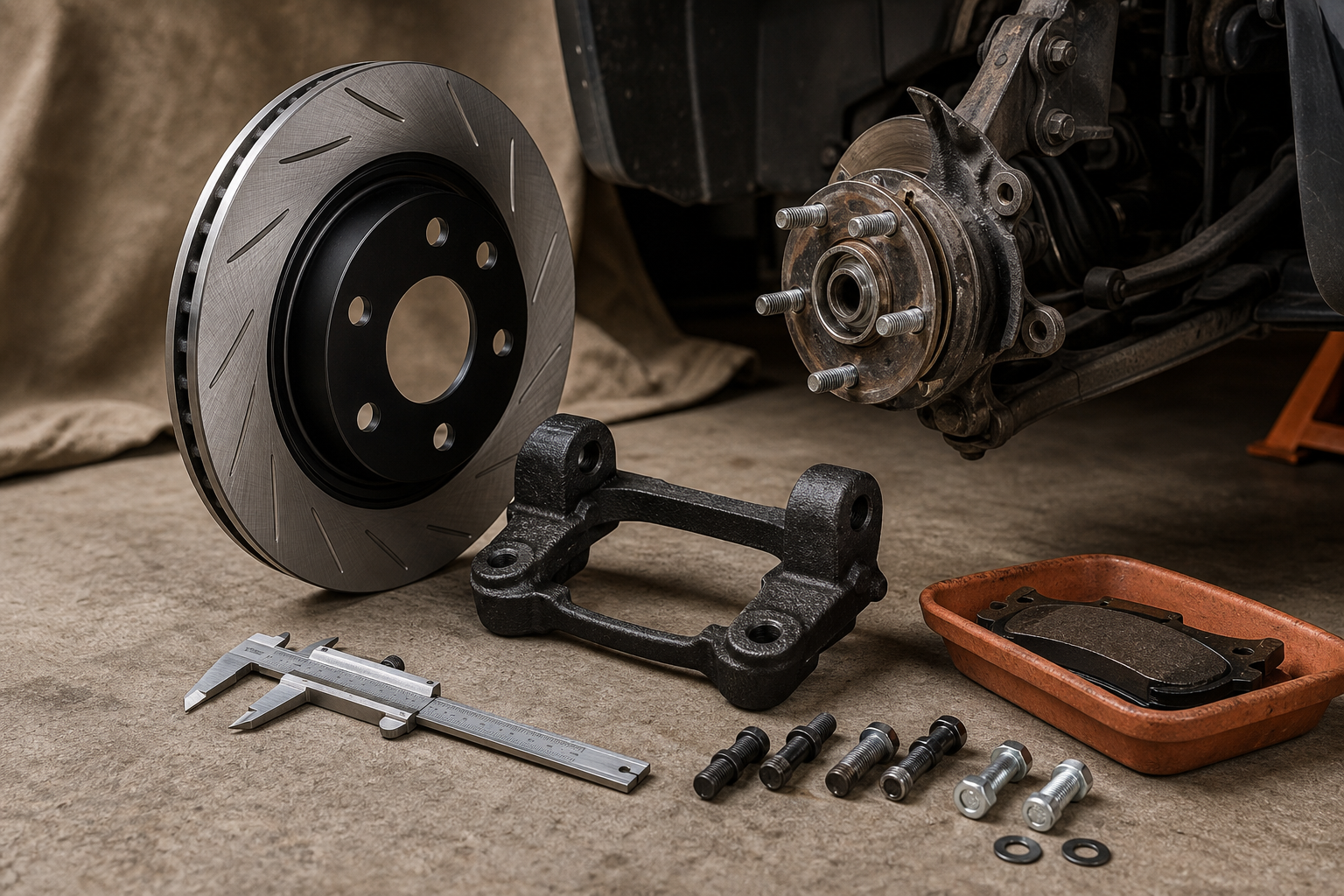
When you’re buying aftermarket parts for outdoor power equipment or jobsite tools, “looks the same” is not a reliable fitment strategy. A spindle assembly, air filter, drive belt, carburetor kit, or trimmer head can appear correct and still install poorly, wear out fast, or fail immediately if the fitment details are off. That’s why model numbers, serial breaks, engine spec codes, and attachment systems matter so much. Good fitment data helps homeowners, DIY repairers, and landscaping crews get the right part the first time, cut downtime, and avoid the cost and frustration of returns.
Model numbers are the starting point, not the whole story
The first thing to match is the complete model number from the equipment tag. On mowers, chainsaws, generators, pressure washers, blowers, and trimmers, that tag may be on the deck, engine shroud, frame rail, handle mount, or data plate near the fuel tank. For many machines, one missing suffix can change the part.
For example, two walk-behind mowers may share the same basic model family but use different blade adapters, wheel sizes, or control cables depending on production version. A zero-turn mower may have different spindle bearings or deck belts across deck widths within the same series. On handheld equipment, one trimmer model may have multiple shaft styles or gearhead thread directions over its production life.
When checking fitment, look for:
- Full model number, including dashes and suffix letters
- Product code or type number if listed
- Engine model, spec, and code on engine-driven equipment
- Deck size, bar length, chain pitch, or wheel diameter where applicable
If you’re replacing engine-related parts, the machine brand alone often isn’t enough. Many mower manufacturers used engines from Briggs & Stratton, Kohler, Honda, Kawasaki, and others across the same equipment line. An air filter or ignition coil must match the engine specification, not just the mower brand.
Serial ranges and production changes can make or break compatibility
This is where many ordering mistakes happen. Manufacturers regularly change suppliers, revise castings, update mounting patterns, or switch connector styles during a production run. The equipment keeps the same model family, but the correct part depends on serial number range or date of manufacture.
Common examples include:
- Deck spindles with different pulley heights
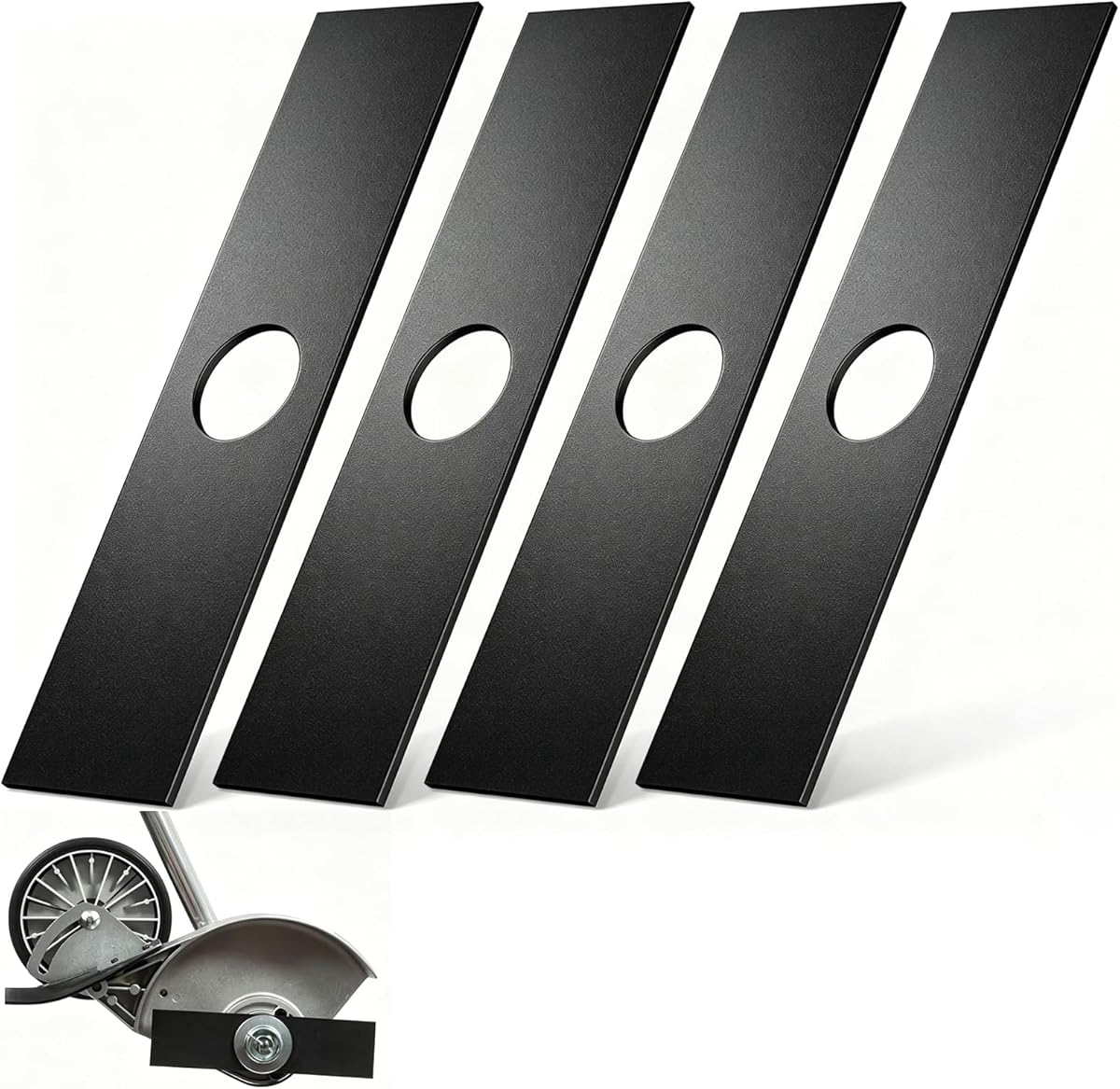
- Star, hex, round, or keyed blade mounts on otherwise similar decks
- Carburetors with different linkage geometry
- Fuel tanks or caps with revised venting styles
- Starter motors with different tooth counts
- Solenoids, switches, and wiring harnesses with updated terminals
A listing that says “fits model XYZ” without serial qualifiers is often incomplete. A better compatibility listing will note details such as:
- Fits units before serial number XXXXX
- Fits units after a specific production date
- Replaces OEM part A, but not OEM revision B
- For machines with 42-inch deck only
- For engines with choke-on-dash, not auto-choke systems
Those notes are what reduce guesswork. If you’ve ever had a belt that was an inch short, a blade with the wrong center hole, or a PTO switch with the wrong plug, you’ve seen how small production changes affect real-world fitment.
Attachment systems matter just as much as the part itself
On trimmers, blowers, pressure washers, vacuums, and modular tool systems, the attachment interface is often the deciding factor. Two accessories may serve the same purpose but use completely different connection methods.
Pay close attention to:
- Arbor size and thread direction on blades and heads
- Shaft diameter and spline count on trimmer attachments
- Coupler style on split-shaft systems
- Hose diameter, fitting type, and pressure rating on pressure washers
- Bar mount pattern, chain pitch, gauge, and drive link count on chainsaws
- Battery platform compatibility on cordless tools
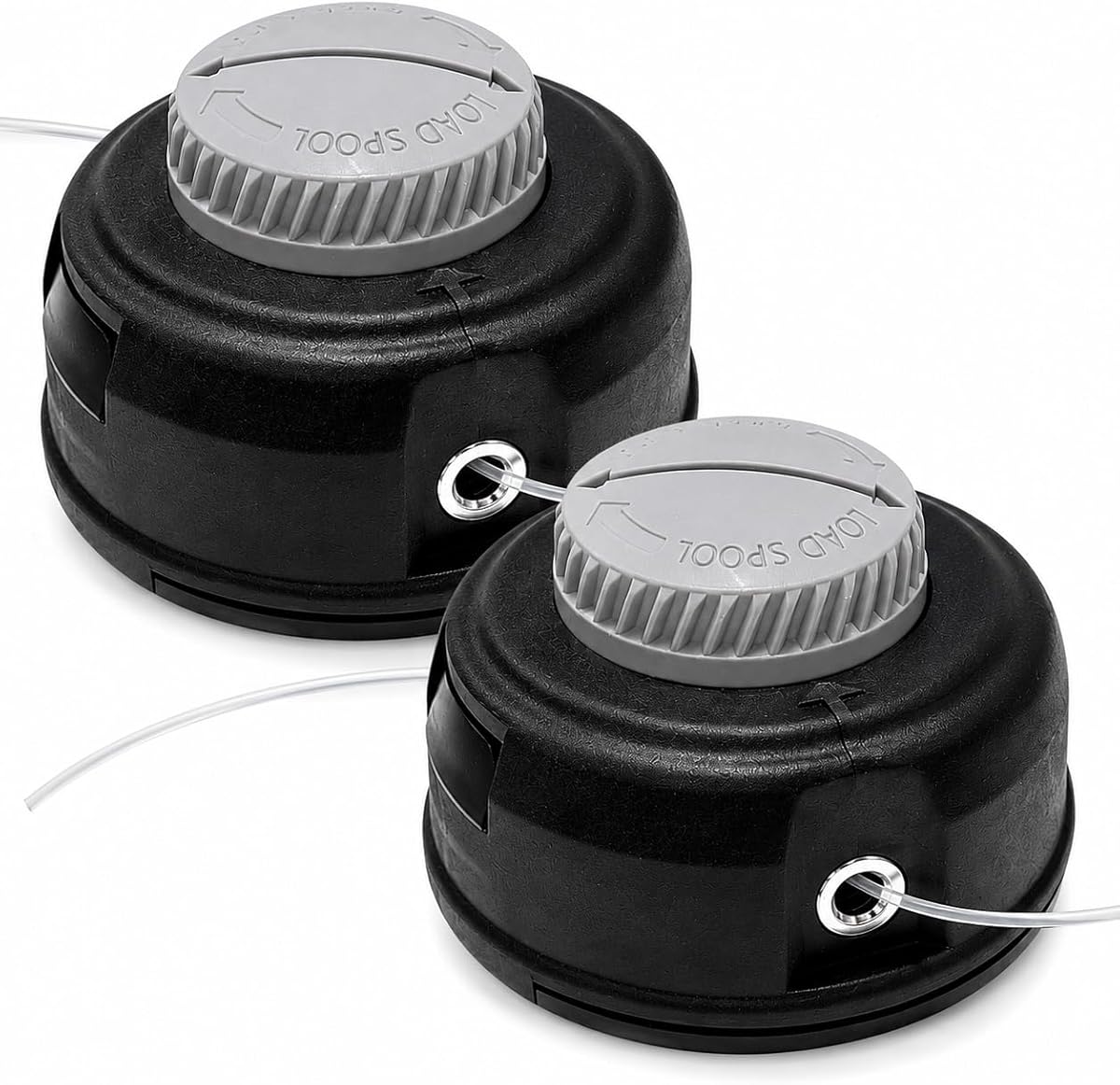
A trimmer head is a good example. Universal heads can fit many units, but only if the correct adapter is included and the gearbox thread matches. Some units use left-hand threads, some right-hand, and some require a specific thrust washer or retainer. Likewise, a pressure washer wand or hose may physically connect but still be wrong if the fitting style or PSI rating doesn’t match the machine.
This is why careful aftermarket listings should call out exact interface details, not just general machine categories. “Fits many trimmers” is much less useful than “fits straight-shaft trimmers with M10 x 1.25 left-hand arbor.”
Better fitment data saves time, money, and avoidable downtime
Accurate compatibility information does more than prevent returns. It helps you plan repairs confidently, especially when the machine is needed for weekly mowing, storm cleanup, or daily crew work.
Good fitment data should help you answer three questions before ordering:
- Will it bolt on or plug in correctly?
- Will it operate properly with my exact machine configuration?
- Does it replace the OEM part number currently installed?
The best approach is to compare your old part, your equipment tag, and the listing details together. Check dimensions, connector style, mounting hole spacing, belt profile, tooth count, filter shape, and any notes about serial breaks. If the listing references OEM numbers, cross-check those too. That extra minute at the parts counter—or before clicking “buy”—usually saves hours later.
For landscapers and property managers, fitment accuracy matters even more because downtime affects scheduling and revenue. For homeowners and DIY repairers, it prevents repeat teardown and the hassle of return shipping. In both cases, careful compatibility listing is a practical advantage, not just a catalog detail.
FAQ
Why isn’t my equipment model number enough to order every part?
Because many machines had running production changes. The same model family may use different belts, blades, filters, switches, or carburetors depending on serial number, engine spec, or deck configuration.
What numbers should I collect before ordering aftermarket parts?
Start with the full equipment model and serial number. Then gather engine model/spec/code if applicable, plus key application details like deck size, chain specs, shaft type, or attachment interface.
Are universal aftermarket parts always a safe choice?
Not always. Universal parts can work well when the adapter, size, thread, rating, and mounting style are confirmed. Without those checks, “universal” often leads to poor fit, reduced performance, or a part that won’t install at all.
§ Catalog
Shop the catalog